
provideocoalition.com•Jeff Foster
In 2025, AI tools have become more accessible, pushing media and entertainment creators to use them more widely.
Why it matters: Many new AI tools let creators automate routine editing tasks, which saves hours each project. However, they still need to review each output for mistakes and watch for copyright risks.
redsharknews.com•andy.stout@redsharknews.com (Andy Stout)
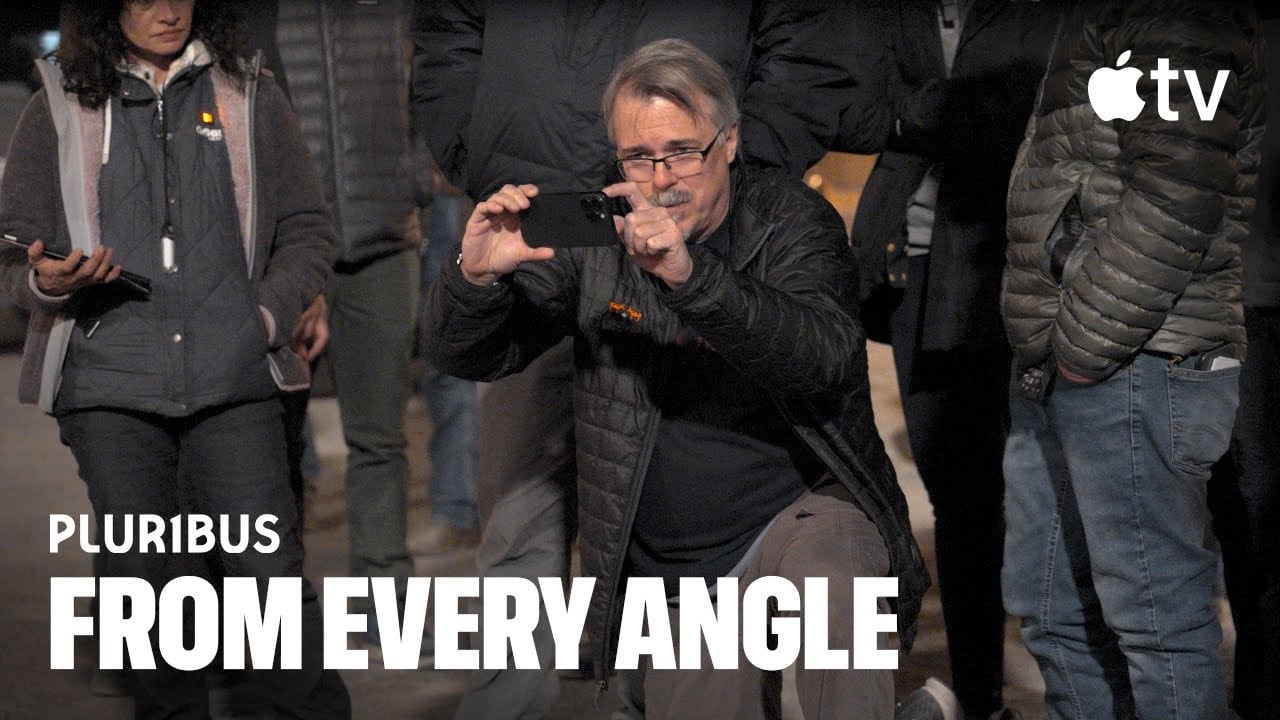
Pluribus was shot on an ARRI Alexa Mini LF, the cast is settled, and a second season is confirmed.
Why it matters: For producers, knowing it uses an Alexa Mini LF informs lighting and color‑grading choices and shows the look they can aim for. The season‑two confirmation lets teams plan long‑term, reusing assets and organizing a serialized shooting schedule.

theverge.com
LG’s new UltraGear evo monitors deliver 5K gaming panels with AI upscaling to boost frame rates.
Why it matters: The 5K surface gives editors an incredibly sharp preview, but the AI upscaling and high price mean most will use it only for reviewing; exporting at 5K can also tax encoding hardware.

provideocoalition.com•PVC News Staff, for Adobe
Premiere Pro lets you assign camera labels to multicam clips so you can keep them organized when syncing.
Why it matters: Tagging clips saves time when you have many angles because you can quickly distinguish sources during editing, though you still need to label them manually before sync.
nofilmschool.com•Jourdan Aldredge
Canon’s explainer video walks through its RF f/1.4 L‑series primes to highlight which models offer the best performance for professional video work.
Why it matters: With clear guidance on focal length, autofocus, and stabilization, you can pick lenses that keep your handheld or gimbal work smooth, saving time on retakes. The advantage is great optical quality, but the trade‑off is the higher price and the fact that some models have slightly slower focus or less vibration control.
nofilmschool.com•Jourdan Aldredge
DJI’s latest Osmo Action 6 firmware update adds 8‑K video recording and several workflow‑boosting features.
Why it matters: The update lets creators record 8‑K footage at 30fps, giving more detail for zooms and future‑proofing, but it also means you’ll need larger storage and a capable editing system to handle it. The built‑in upload to cloud or NAS gives instant sharing, cutting downtime between shoot and post‑production.
nofilmschool.com•Marcus Mizelle
Shih-Ching Tsou used an iPhone 13 and Beastgrip accessories to film her feature, 'Left-Handed Girl', entirely in Taipei’s night markets, keeping the camera invisible and the story at the forefront.
Why it matters: For mobile filmmakers, Tsou shows that an iPhone rig can replace a DSLR, but you’ll need to accept limited control, rely on ambient light, and work with a lean crew to keep logistics simple.
nofilmschool.com•Sponsored Content
No Film School lists the best gear and software discounts for the winter of 2025.
Why it matters: Upgrading camera lenses, microphones, and monitoring gear at a lower price can improve video quality and workflow efficiency. These offers end in December, so creators should act before the discounts expire.
nofilmschool.com•Jason Hellerman
The hair design for The Last Frontier turns the Arctic’s extreme cold into a storytelling tool, using authentic frozen looks and realistic thawing textures to ground the characters’ survival narrative.
Why it matters: Video creators can adopt the same practice of photographing real-looking scenarios—like crew’s frozen hair—and incorporating subtle dampness and collapse textures for when characters move into warmer spaces, reducing continuity headaches across units. The upfront effort of building these reference libraries saves time and costly retakes during shooting.
nofilmschool.com•Marcus Mizelle
Shih‑Ching Tsou filmed Taiwan’s Oscar‑submitted feature entirely on an iPhone 13, using Beastgrip accessories to get cinematic widescreen shots while staying invisible in crowded night markets.
Why it matters: For filmmakers, it shows a minimal crew and a small camera can deliver a professional look, but you’ll need a solid story and will sacrifice full control over lighting and audio in real‑time environments.